
Stem Cell Treatment for Stroke Rehabilitation
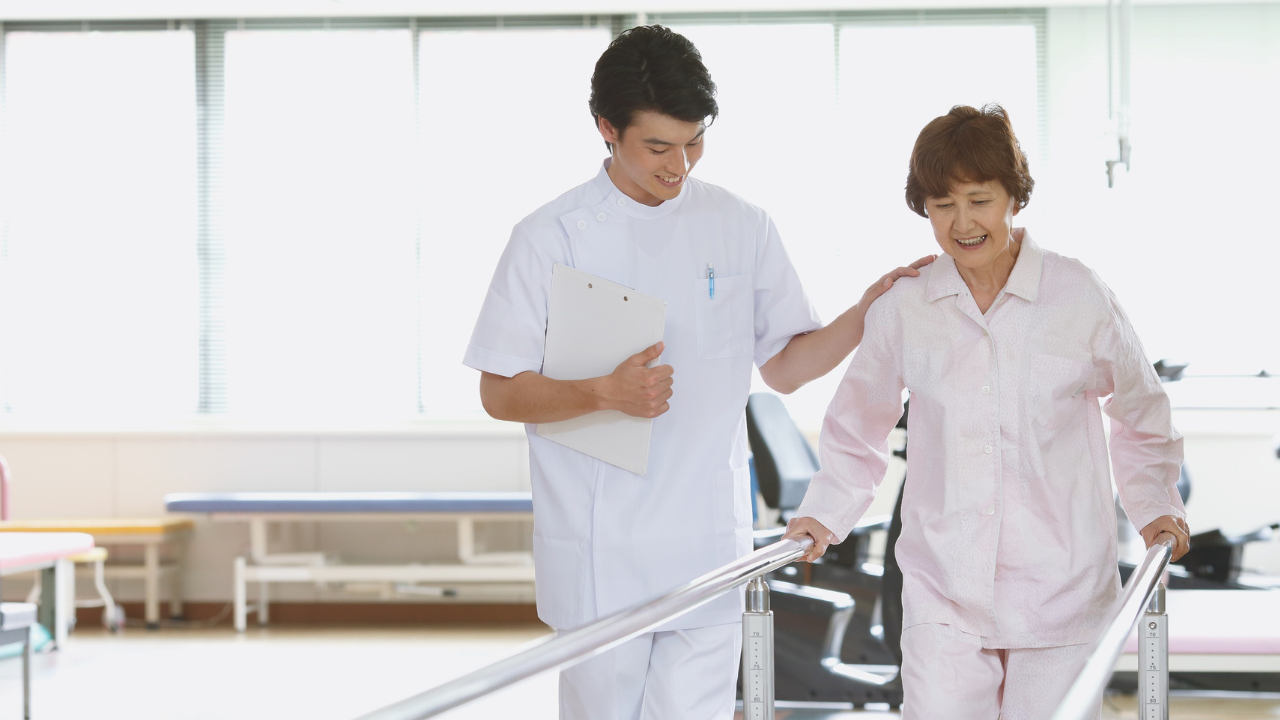
Stem Cell Treatment for Stroke Rehabilitation
Stem cell therapy offers a promising regenerative approach for stroke recovery, complementing traditional rehabilitation. By using mesenchymal stem cells, this therapy promotes neural repair, reduces inflammation, and supports the formation of new neural connections. Minimally invasive and personalized, it may enhance motor function, cognitive abilities, and overall independence, helping stroke survivors achieve better long-term outcomes and improved quality of life.
Stroke is one of the leading causes of long-term disability worldwide and can affect movement, speech, memory, cognition, balance, swallowing, mood, independence, and quality of life. A stroke occurs when blood flow to part of the brain is interrupted or when bleeding occurs in or around the brain. When brain tissue does not receive enough oxygen and nutrients, brain cells may become injured or die, leading to neurological deficits that vary according to the stroke type, location, severity, and time to treatment.
The effects of stroke can be mild, moderate, or severe. Some patients recover significantly with early medical care and rehabilitation, while others continue to experience weakness, paralysis, speech difficulty, cognitive changes, balance problems, fatigue, spasticity, pain, or reduced independence. Recovery is usually a long-term process that requires medical supervision, rehabilitation, family support, and prevention of future strokes.
Conventional stroke rehabilitation includes physical therapy, occupational therapy, speech and swallowing therapy, cognitive training, psychological support, medication management, lifestyle changes, and secondary prevention strategies. These approaches remain essential. Regenerative medicine, including mesenchymal stem cell-based therapy, is being explored as a supportive option because MSCs may help modulate inflammation, support neuroprotective signaling, influence cellular communication, and support the brain’s repair environment.
Stem cell therapy for stroke should not be described as a guaranteed cure, a proven way to reverse brain damage, or a replacement for emergency stroke treatment, rehabilitation, medications, or neurologist follow-up. In selected patients, it may be considered as a supportive and investigational approach within a broader recovery plan.
Stemcell Consultancy provides personalized regenerative treatment planning for eligible stroke survivors. The goal is to support neurological recovery potential, functional rehabilitation, quality of life, and long-term independence through medically supervised protocols, realistic expectations, and structured follow-up.
What Is a Stroke?
A stroke is a medical emergency that occurs when blood supply to the brain is interrupted or when a blood vessel in or around the brain bursts. The brain requires continuous oxygen and nutrient delivery. Even a short interruption can injure brain cells and disrupt the functions controlled by the affected brain region.
Stroke symptoms depend on which part of the brain is affected. A stroke may impair movement, sensation, vision, balance, speech, swallowing, memory, attention, mood, or behavior. Early recognition and urgent treatment are critical because faster treatment can reduce brain injury and improve outcomes.
Types of Stroke
Different stroke types require different emergency treatment and follow-up strategies. Understanding the stroke type is essential before any rehabilitation or regenerative approach is considered.
Ischemic Stroke
Ischemic stroke occurs when a blood clot or narrowing blocks blood flow to part of the brain. It is the most common type of stroke. The blockage may form in a brain artery or may travel from another part of the body, such as the heart or neck arteries.
Emergency treatment may include clot-dissolving medication or clot removal procedures in selected patients, depending on timing, imaging findings, stroke severity, and medical suitability.
Hemorrhagic Stroke
Hemorrhagic stroke occurs when a blood vessel ruptures and causes bleeding inside or around the brain. This bleeding increases pressure, damages brain tissue, and can be life-threatening.
Treatment focuses on controlling bleeding, reducing pressure, managing blood pressure, correcting clotting problems, and addressing the cause of bleeding when possible.
Transient Ischemic Attack
A transient ischemic attack, also known as TIA, is a temporary blockage of blood flow to the brain. Symptoms may resolve quickly, but a TIA is a serious warning sign of future stroke risk. Patients with TIA symptoms need urgent medical evaluation even if symptoms disappear.
Common Effects of Stroke
Stroke can affect multiple functions. The severity and recovery pattern vary widely from patient to patient.
Common post-stroke effects include:
- Weakness or paralysis on one side of the body
- Difficulty walking or maintaining balance
- Loss of coordination
- Spasticity or increased muscle tone
- Numbness or altered sensation
- Speech difficulty
- Language comprehension problems
- Swallowing difficulty
- Memory and attention problems
- Reduced problem-solving ability
- Visual field loss or visual processing problems
- Fatigue
- Depression, anxiety, or emotional changes
- Pain or shoulder problems after weakness
- Reduced independence in daily activities
Because stroke affects each person differently, the rehabilitation plan should be individualized according to symptoms, functional goals, medical status, and caregiver support.
Stroke Warning Signs That Require Emergency Care
Stroke is an emergency. Patients and families should act immediately if warning signs appear. A useful way to remember common signs is BE FAST:
- B - Balance: Sudden loss of balance or coordination
- E - Eyes: Sudden vision changes in one or both eyes
- F - Face: Facial drooping or uneven smile
- A - Arms: Arm weakness or inability to raise both arms equally
- S - Speech: Slurred speech, trouble speaking, or trouble understanding
- T - Time: Time to call emergency medical services immediately
Other urgent symptoms may include sudden severe headache, confusion, dizziness, numbness, difficulty walking, loss of consciousness, seizure, or sudden weakness on one side of the body.
Stem cell therapy is not an emergency stroke treatment. Anyone with new stroke symptoms needs immediate emergency care.
How Is Stroke Diagnosed?
Stroke diagnosis requires urgent medical evaluation. The medical team identifies whether the stroke is ischemic or hemorrhagic, how much brain tissue is affected, and which treatments may be appropriate.
Diagnostic evaluation may include:
- Neurological examination
- Brain CT scan
- Brain MRI
- CT angiography or MR angiography
- Carotid artery imaging
- Blood pressure and heart rhythm assessment
- Electrocardiogram
- Echocardiography in selected patients
- Blood tests, including glucose and clotting tests
- Swallowing assessment when needed
- Functional and cognitive evaluation after stabilization
Diagnosis and acute treatment must be performed by qualified emergency and neurological teams. Regenerative treatment planning should only be considered after the patient is medically stable and the stroke type, severity, and recovery stage are clearly understood.
Conventional Stroke Treatment and Rehabilitation
Standard stroke care has two major phases: acute medical treatment and rehabilitation. Both are essential.
Acute Stroke Treatment
Acute treatment depends on stroke type. Ischemic stroke treatment may focus on restoring blood flow when the patient is eligible and arrives within the appropriate treatment window. Hemorrhagic stroke treatment focuses on controlling bleeding, pressure, and the underlying cause.
Acute treatment may include:
- Emergency neurological evaluation
- Clot-dissolving medication in selected ischemic stroke patients
- Mechanical thrombectomy in selected large-vessel ischemic strokes
- Blood pressure management
- Reversal of blood thinners when medically indicated
- Neurosurgical or endovascular procedures in selected hemorrhagic strokes
- Swallowing safety assessment
- Prevention of complications such as pneumonia, blood clots, falls, and pressure injuries
Stroke Rehabilitation
Rehabilitation usually begins in the hospital as soon as the patient is medically stable. The goal is to help the brain and body relearn functions, maximize independence, prevent complications, and support long-term recovery.
Stroke rehabilitation may include:
- Physical therapy for walking, balance, strength, and mobility
- Occupational therapy for daily activities such as dressing, bathing, cooking, and self-care
- Speech and language therapy for speaking, understanding, reading, writing, and swallowing
- Cognitive rehabilitation for attention, memory, planning, and problem-solving
- Spasticity management
- Shoulder and hand rehabilitation
- Vision therapy or compensatory strategies when needed
- Psychological counseling
- Caregiver training
- Home safety and fall prevention planning
- Assistive device assessment
Rehabilitation works best when it is consistent, goal-oriented, and adapted to the patient’s abilities.
Why Some Stroke Deficits Persist
Many patients improve after stroke, but some deficits may persist for months or years. Persistent symptoms may be related to the size and location of brain injury, age, medical conditions, timing of acute treatment, rehabilitation intensity, depression, fatigue, spasticity, recurrent stroke risk, and social support.
Factors that may affect recovery include:
- Stroke type and severity
- Brain region affected
- Time to emergency treatment
- Age and general health
- Presence of diabetes, heart disease, high blood pressure, or atrial fibrillation
- Severity of weakness, speech problems, or cognitive impairment
- Rehabilitation intensity and consistency
- Nutrition, sleep, and mood
- Caregiver and family support
- Prevention of complications and recurrent stroke
Regenerative medicine may be explored in selected patients because post-stroke recovery involves neuroplasticity, inflammation regulation, vascular support, and cellular communication. However, it should be used only as a supportive approach and not as a substitute for rehabilitation.
What Is Stem Cell Therapy for Stroke Rehabilitation?
Stem cell therapy for stroke rehabilitation usually refers to the use of mesenchymal stem cells, also known as MSCs, to support the biological environment involved in neurological recovery. At Stemcell Consultancy, umbilical cord-derived allogeneic MSCs may be considered in selected protocols after detailed medical evaluation.
MSCs are being studied because they can release growth factors, cytokines, extracellular vesicles, and other signaling molecules that may influence inflammation, immune regulation, vascular support, and neural repair signaling. Their potential effect is mainly related to paracrine signaling and support of the recovery environment rather than direct replacement of all damaged brain cells.
Stem cell therapy should not be described as a guaranteed method to regenerate the brain, restore all lost functions, or reverse stroke damage. It may be considered as part of a comprehensive rehabilitation plan in selected medically stable patients.
How Stem Cell Therapy May Support Stroke Recovery
Stem cell therapy is being studied for several potential mechanisms in post-stroke recovery. These mechanisms should be understood as supportive and investigational rather than guaranteed outcomes.
1. Neuroinflammation Modulation
After stroke, inflammation can contribute to secondary injury and affect recovery. MSC-related signaling may help regulate inflammatory pathways and support a more balanced repair environment.
2. Neuroprotective Signaling
MSCs may release biological molecules that support surviving nerve cells and reduce stress in injured tissue environments.
3. Neuroplasticity Support
Neuroplasticity is the brain’s ability to reorganize and adapt after injury. Regenerative signaling may support the environment involved in forming new functional pathways, especially when combined with active rehabilitation.
4. Angiogenesis and Vascular Support
Recovery after stroke depends partly on blood vessel health and oxygen delivery. MSC-related factors may support vascular repair signaling and microenvironment support in selected tissue regions.
5. Cellular Communication
MSCs and extracellular vesicles may influence communication between cells involved in repair, immune balance, and tissue response.
These possible mechanisms do not guarantee clinical improvement. Functional gains depend strongly on rehabilitation intensity, stroke severity, brain plasticity, medical stability, and patient participation.
The Role of Exosomes in Stroke Regenerative Research
Exosomes are extracellular vesicles involved in cell-to-cell communication. They may carry proteins, lipids, RNA, and other signaling molecules. In neurological research, exosomes are being studied because they may influence inflammation, repair signaling, and communication between cells in damaged tissue environments.
In stroke-focused regenerative protocols, exosome-supported approaches may be discussed because they may help support:
- Cellular communication
- Inflammation modulation
- Neural repair signaling
- Vascular support
- Microenvironment support
Exosome-based therapies should be approached carefully because regulatory status varies by country. Patients should ask about product source, sterility testing, safety data, clinical evidence, and whether the product is approved or investigational in the treatment location.
Can Stem Cell Therapy Cure Stroke?
No. Stem cell therapy should not be described as a cure for stroke. Stroke causes brain injury that may lead to temporary or permanent neurological deficits. Current regenerative approaches cannot guarantee complete reversal of brain damage, full recovery of movement, full speech restoration, or independence from rehabilitation.
The realistic goal of MSC-based therapy is supportive. It may aim to help regulate inflammation, support neuroplasticity, improve the recovery environment, and complement rehabilitation in selected patients.
Patients and families should be cautious of claims promising guaranteed recovery, complete brain regeneration, or replacement of standard stroke care.
The Stroke Rehabilitation Process with Stem Cell Therapy
At Stemcell Consultancy, stroke-related regenerative treatment planning follows a structured process designed around patient safety, neurological status, functional goals, caregiver involvement, and realistic expectations.
1. Specialist Assessment
Every patient undergoes a comprehensive evaluation to determine suitability for stem cell therapy. Medical history, stroke type, stroke timing, prior treatments, current medications, rehabilitation history, functional status, and diagnostic tests such as MRI or CT scans are reviewed.
The assessment may include:
- Review of ischemic or hemorrhagic stroke diagnosis
- Time since stroke
- Brain MRI or CT findings
- Current neurological deficits
- Motor function and balance assessment
- Speech, swallowing, and cognitive status review
- Medication and blood thinner review
- Blood pressure, diabetes, heart rhythm, and vascular risk assessment
- Rehabilitation progress and current therapy plan
- Caregiver support assessment
- Risk-benefit evaluation
This step helps determine whether regenerative therapy may be appropriate or whether acute medical care, neurological stabilization, or rehabilitation optimization should be prioritized first.
2. Initial Consultation
Following assessment, patients and caregivers receive a detailed consultation outlining the therapy process, possible supportive benefits, limitations, safety considerations, expected timeline, and follow-up requirements.
The consultation may cover:
- Whether the patient appears suitable
- What goals are realistic
- How MSCs may be used
- Possible risks and side effects
- Need for continued rehabilitation
- Medication and blood thinner considerations
- How progress will be measured
- Caregiver responsibilities after treatment
This stage ensures that patients and caregivers can make informed decisions and understand that stem cell therapy is supportive rather than curative.
3. Stem Cell Preparation
Once the treatment plan is approved and the patient is considered medically suitable, MSCs are prepared under controlled laboratory conditions. Preparation may include viability testing, sterility controls, identity confirmation, and quality documentation according to applicable standards.
Patients should receive clear information about cell source, preparation standards, safety testing, expected timing, administration route, and limitations before treatment.
4. Treatment Administration
On treatment day, the patient’s current condition is reviewed. Vital signs, neurological status, medications, and recent symptoms are checked before administration.
The administration route depends on the personalized protocol and applicable medical regulations. Intravenous administration may be considered in selected medically stable patients. Invasive neurological application routes require special caution and should only be considered under strict medical and regulatory oversight.
The treatment day may include:
- Pre-treatment medical check
- Vital sign monitoring
- Medication and blood thinner review
- Neurological status check
- MSC administration according to protocol
- Observation after treatment
- Post-treatment instructions
- Transportation support when available
The procedure is planned in a controlled medical environment with patient safety as the priority.
5. Follow-Up and Ongoing Rehabilitation
After stem cell administration, patients are monitored according to a structured follow-up schedule. Specialists track motor function, speech, cognitive abilities, balance, daily activity performance, mood, fatigue, and overall health.
Follow-up may include:
- Motor function tracking
- Walking and balance assessment
- Hand and arm function review
- Speech and swallowing progress review
- Cognitive function assessment
- Fatigue, mood, and sleep tracking
- Spasticity monitoring
- Medication and vascular risk review
- Rehabilitation plan adjustment
- Caregiver observations
- Quality-of-life assessment
Combining regenerative therapy with traditional rehabilitation exercises, cognitive training, and lifestyle modifications may help optimize recovery potential in selected patients.
Potential Benefits of Stem Cell Therapy for Stroke Rehabilitation
Stem cell therapy may offer supportive potential for selected stroke survivors. Individual results vary and should be monitored through objective functional assessments and specialist follow-up.
Potential benefits may include:
- Neuroinflammation modulation: MSC-related signaling may help regulate inflammatory pathways involved in secondary injury and recovery.
- Neuroprotective support: Biological signals may support surviving nerve cells and the post-stroke microenvironment.
- Neuroplasticity support: May support the environment involved in functional reorganization when combined with rehabilitation.
- Motor recovery support: Some patients may experience improved movement comfort, balance, coordination, or activity tolerance.
- Cognitive support: Selected patients may report improvements in attention, memory, or mental clarity as part of a broader recovery plan.
- Vascular support: MSC-related factors may support angiogenesis-related and microvascular repair signaling.
- Quality-of-life support: Improved function may help some patients become more independent in daily activities.
These are potential supportive outcomes and should not be interpreted as guaranteed recovery, guaranteed restoration of speech or movement, or guaranteed independence from assistive care.
Scientific Evidence and Important Limitations
Research into MSC therapy for stroke is ongoing. Preclinical studies have explored neuroinflammation, angiogenesis, neuroplasticity, and repair signaling. Clinical studies have investigated safety and possible functional outcomes in selected patients, but protocols, cell sources, doses, timing, and outcome measures vary.
At present, stem cell therapy for stroke remains investigational in many regulatory systems. More high-quality clinical trials are needed to define ideal candidates, best timing, safest routes, effective dosing, long-term safety, and measurable benefits.
Patients should be cautious of claims promising guaranteed neurological recovery, complete reversal of disability, or replacement of standard rehabilitation. A responsible treatment plan should explain both the potential and the limitations.
When Can Patients Expect Results?
The response timeline varies from patient to patient. Stem cell therapy does not usually work like an immediate neurological medication. Potential changes are related to inflammation modulation, repair signaling, neuroplasticity support, and rehabilitation-driven functional learning.
A general monitoring timeline may include:
- First few days: Mild fatigue, temporary discomfort, or no noticeable change may occur.
- First 2-6 weeks: Some patients may notice changes in energy, movement comfort, therapy tolerance, mood, or general well-being.
- 6-12 weeks: Motor function, balance, speech practice, cognition, and daily activity changes may be reviewed more meaningfully.
- 3-6 months: Longer-term functional patterns may become clearer when regenerative therapy is combined with consistent rehabilitation.
- Long-term follow-up: Stroke recovery can continue over months or years, especially with structured rehabilitation and risk-factor control.
Progress should be tracked using functional scales, therapy goals, walking distance, hand function, speech ability, cognitive tasks, caregiver reports, and quality-of-life measures.
Who May Be a Suitable Candidate?
Stem cell therapy may be considered only after detailed medical evaluation. It is not automatically suitable for every stroke survivor.
Potential candidates may include patients who:
- Have a confirmed ischemic or hemorrhagic stroke diagnosis
- Are medically stable after the acute stroke period
- Have persistent motor, speech, cognitive, or functional deficits
- Have completed or are continuing standard rehabilitation
- Have realistic expectations about supportive outcomes
- Have no active bleeding, infection, or unstable neurological condition
- Can participate in follow-up monitoring
- Have caregiver or family support when needed
- Are willing to continue rehabilitation and secondary prevention care
The best candidates are usually medically stable patients with clear diagnosis, measurable functional goals, and ongoing rehabilitation participation.
Who May Not Be Suitable?
Stem cell therapy may be postponed or avoided when risks are high or when standard medical care must be prioritized.
Patients may not be suitable if they have:
- Acute stroke requiring emergency treatment
- Unstable neurological condition
- Active brain bleeding or uncontrolled hemorrhage risk
- Recent severe stroke complications requiring urgent care
- Active infection
- Uncontrolled high blood pressure
- Uncontrolled diabetes or severe metabolic instability
- Unstable heart disease or recent heart attack
- Severe blood clotting disorder
- Use of blood thinners that cannot be safely managed
- Active cancer or certain cancer histories
- Severe kidney or liver failure
- Severe dementia or inability to participate in follow-up
- Pregnancy or breastfeeding
- Unrealistic expectations of guaranteed full neurological recovery
In these situations, emergency care, neurological stabilization, cardiology evaluation, infection treatment, vascular risk management, or rehabilitation optimization may need to be prioritized.
Safety and Possible Side Effects
Stem cell therapy for stroke should be performed only after proper diagnosis and medical evaluation. Safety depends on patient selection, stroke stability, cell source, laboratory quality, sterility testing, application route, dose, medications, and follow-up care.
Possible temporary effects may include:
- Fatigue
- Mild fever-like symptoms
- Temporary discomfort depending on the application method
- Headache or body aches in some patients
- Infusion-related sensations in selected cases
- Temporary changes in energy or sleep
- Rare allergic or inflammatory reactions
- Rare infection or bleeding risk depending on procedure type and patient condition
Patients and caregivers should seek medical attention immediately if severe headache, new weakness, new speech difficulty, seizure, fever, confusion, chest pain, shortness of breath, allergic reaction, worsening neurological symptoms, or signs of another stroke occur after treatment.
Rehabilitation After Stem Cell Therapy
Rehabilitation remains the most important part of stroke recovery. Regenerative therapy, when considered, should be combined with active rehabilitation because the brain needs repeated practice to rebuild functional pathways.
Rehabilitation after treatment may include:
- Gait training
- Balance and coordination exercises
- Strength training adapted to neurological status
- Hand and arm function training
- Constraint-induced movement therapy in selected patients
- Task-specific daily activity practice
- Speech and language therapy
- Swallowing therapy when needed
- Cognitive exercises
- Spasticity management
- Home exercise programs
- Caregiver-assisted practice
The rehabilitation plan should be personalized according to stroke deficits, fatigue level, safety, motivation, and functional goals.
Secondary Stroke Prevention
Preventing another stroke is a major part of long-term care. Regenerative therapy does not replace secondary prevention. Patients should continue working with their physicians to manage stroke risk factors.
Secondary prevention may include:
- Blood pressure control
- Diabetes management
- Cholesterol management
- Antiplatelet or anticoagulant therapy when prescribed
- Atrial fibrillation management
- Smoking cessation
- Healthy nutrition
- Regular physical activity within safe limits
- Weight management when appropriate
- Sleep apnea evaluation when suspected
- Limiting alcohol intake
- Medication adherence
- Regular neurology and primary care follow-up
Patients should not stop blood thinners, blood pressure medication, cholesterol medication, diabetes medication, or seizure medication without medical supervision.
Caregiver and Family Support
Stroke recovery often affects the entire family. Caregivers may help with exercises, medication schedules, transportation, communication, meals, safety, emotional support, and medical appointments.
Family support may include:
- Learning stroke warning signs
- Supporting daily rehabilitation practice
- Helping prevent falls at home
- Monitoring mood, sleep, fatigue, and cognition
- Encouraging medication adherence
- Supporting healthy meals and activity
- Communicating with therapists and physicians
- Preparing the home for safety and accessibility
- Seeking support for caregiver stress
Caregiver well-being is important. Fatigue, stress, anxiety, and depression can affect both the caregiver and the patient’s recovery environment.
Questions to Ask Before Stem Cell Therapy for Stroke
Before starting regenerative therapy, patients and caregivers should receive clear answers to important questions.
- What type of stroke did I have?
- How long ago did the stroke occur?
- Is my neurological condition stable?
- What deficits are most likely to improve with rehabilitation?
- Is stem cell therapy appropriate for my case?
- Is the treatment approved, investigational, or protocol-based in my situation?
- What cell source will be used?
- What sterility and viability tests are performed?
- What administration route is recommended?
- What benefits are realistic for my condition?
- What risks should I understand?
- Will I continue rehabilitation after treatment?
- How will progress be measured?
- What should we do if symptoms suddenly worsen?
These questions help patients and families make informed decisions and avoid unrealistic treatment expectations.
Why Choose Stemcell Consultancy?
Stemcell Consultancy provides personalized regenerative treatment planning for selected stroke survivors seeking advanced supportive options for rehabilitation and recovery. The approach focuses on careful eligibility assessment, transparent communication, quality-focused preparation, and structured follow-up.
Key advantages include:
- Personalized neurological and functional evaluation
- Review of stroke type, MRI or CT findings, and rehabilitation history
- Assessment of medical stability and risk factors
- Umbilical cord-derived allogeneic MSC-based protocols when medically appropriate
- Quality-focused laboratory preparation standards
- Minimally invasive treatment planning when suitable
- Transparent explanation of benefits and limitations
- Follow-up monitoring after treatment
- Rehabilitation and caregiver guidance
- Coordination with standard neurological care whenever possible
The goal is to support stroke recovery responsibly while respecting the importance of standard rehabilitation, secondary prevention, and neurologist follow-up.
Frequently Asked Questions About Stem Cell Therapy for Stroke Rehabilitation
Can stem cell therapy cure stroke?
No. Stem cell therapy should not be described as a cure for stroke. It may support inflammation regulation, neuroplasticity, and repair signaling in selected patients, but standard rehabilitation and medical care remain essential.
Can stem cell therapy reverse brain damage?
Complete reversal of brain damage cannot be guaranteed. MSC therapy may support the recovery environment, but results vary depending on stroke severity, brain region affected, timing, rehabilitation, and overall health.
Can patients stop rehabilitation after stem cell therapy?
No. Rehabilitation remains essential. Stem cell therapy, when considered, should complement physical therapy, occupational therapy, speech therapy, cognitive training, and home practice.
Is stem cell therapy suitable immediately after stroke?
Acute stroke requires emergency medical treatment. Regenerative therapy should only be considered after medical stabilization and specialist evaluation.
Who may be a good candidate?
Potential candidates may include medically stable stroke survivors with persistent functional deficits, clear imaging history, realistic expectations, and willingness to continue rehabilitation and follow-up.
Who should avoid this treatment?
Patients with acute stroke, unstable neurological status, active bleeding, uncontrolled blood pressure, active infection, severe clotting problems, unstable heart disease, active cancer, pregnancy, or unrealistic expectations may not be suitable.
Can stem cell therapy improve walking?
Some patients may experience improved movement comfort, balance, or activity tolerance, but walking improvement cannot be guaranteed. Gait training and physical therapy remain essential.
Can stem cell therapy improve speech?
Speech or language improvement cannot be guaranteed. Speech therapy remains the main rehabilitation approach for aphasia, dysarthria, and swallowing problems.
Can stem cell therapy improve memory or cognition?
Some patients may report cognitive support, but results vary. Cognitive rehabilitation, sleep support, mood treatment, and vascular risk management remain important.
How long does it take to see improvement?
Some patients may notice changes within weeks, while others may require several months of combined rehabilitation and monitoring. Stroke recovery is gradual and highly individual.
Are exosomes used for stroke recovery?
Exosomes are being studied for cellular communication and inflammation modulation. Their use should be evaluated carefully according to product source, safety testing, evidence, and regulatory status.
Is the procedure painful?
The procedure is generally planned to be minimally invasive when appropriate. Some patients may experience temporary fatigue, mild discomfort, or infusion-related sensations depending on the administration route.
What should patients track after treatment?
Patients and caregivers should track walking, balance, hand use, speech, swallowing, memory, fatigue, mood, sleep, spasticity, medication use, blood pressure, and any side effects. Sudden neurological worsening should be treated as an emergency.
Taking the Next Step in Stroke Recovery
Recovering from a stroke can be physically, emotionally, and socially challenging. Stroke may affect independence, communication, mobility, memory, confidence, work ability, and family life. Because recovery depends on brain injury, rehabilitation intensity, medical stability, and long-term prevention, treatment should be comprehensive and individualized.
Stem cell therapy is being explored as a supportive regenerative approach for selected stroke survivors because of its potential role in inflammation modulation, neuroprotective signaling, vascular support, cellular communication, and neuroplasticity support. However, it should always be approached with realistic expectations, proper diagnosis, professional supervision, and continued rehabilitation.
Stemcell Consultancy provides individualized evaluation, regenerative treatment planning, and structured follow-up for eligible patients seeking advanced supportive options for stroke rehabilitation.
Patients and caregivers interested in stem cell therapy for stroke rehabilitation can contact Stemcell Consultancy to begin a personalized evaluation and learn whether a regenerative protocol may be suitable for their recovery needs.
This content is for informational purposes only and does not replace emergency stroke treatment, medical diagnosis, neurological care, rehabilitation, medication management, or professional medical advice. Stroke is a serious medical condition that requires urgent treatment and long-term follow-up by qualified healthcare professionals. Stem cell, exosome, and other regenerative approaches may not be suitable for everyone, and outcomes can vary depending on stroke type, brain region affected, time since stroke, neurological severity, medical history, treatment protocol, rehabilitation participation, caregiver support, and follow-up care.
Quick Question