
Anti-Aging Stem Cell Treatments
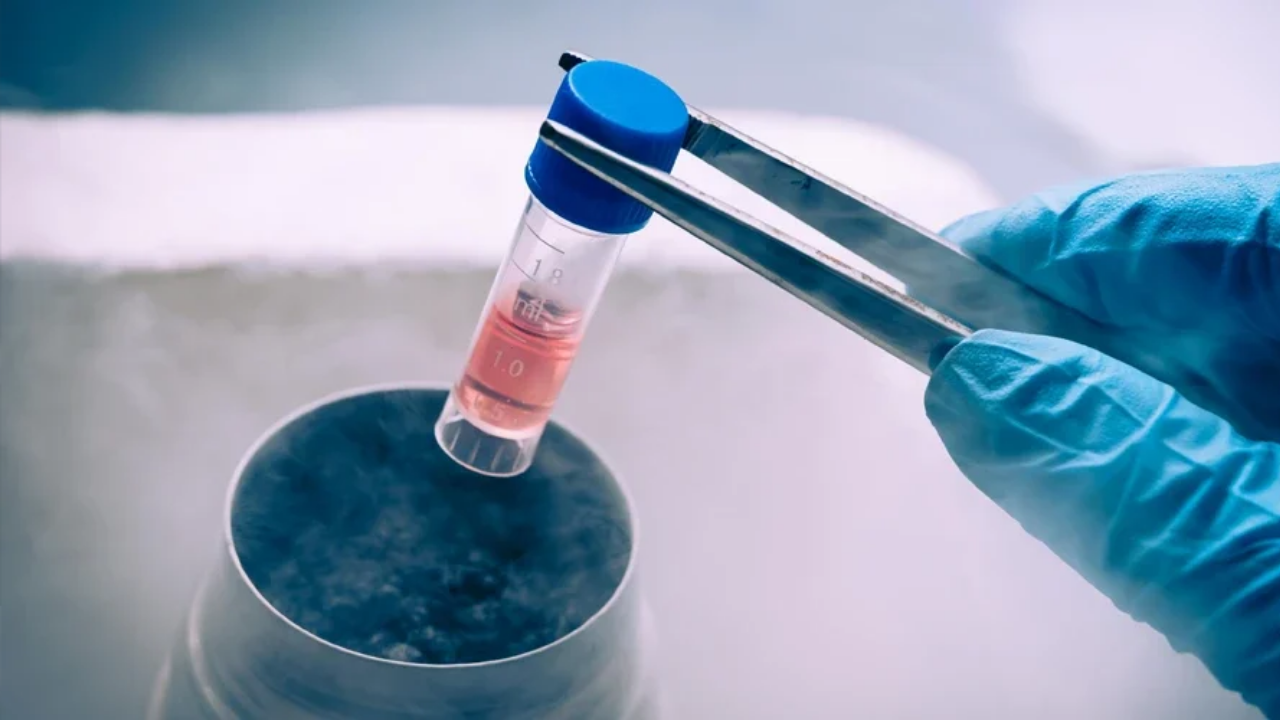
Anti-Aging Stem Cell Treatments
Rejuvenate your skin and boost your energy with stem cell and exosome-based anti-aging treatments. Slow down aging at the cellular level with Stemcell Consultancy.
Aging is a natural biological process that affects the skin, muscles, connective tissues, immune system, metabolism, vascular health, energy levels, and overall quality of life. Over time, cells may become less efficient at repairing damage, collagen and elastin production may decline, mitochondrial function may change, inflammation may increase, and tissue renewal may slow down. These changes can contribute to wrinkles, skin laxity, dull skin tone, fatigue, slower recovery, joint discomfort, reduced resilience, and visible signs of aging.
Although aging cannot be stopped completely, modern regenerative medicine is being explored for its potential to support healthy aging, skin quality, tissue repair signaling, cellular communication, inflammation balance, and overall wellness. Stem cell-based protocols, exosome-supported applications, platelet-rich plasma, and NAD+ wellness protocols may be considered in selected patients as part of a personalized anti-aging plan.
Stemcell Consultancy offers individualized anti-aging and regenerative wellness planning using mesenchymal stem cell-based approaches, exosome-supported protocols, facial applications, IV wellness support, and NAD+ therapy when medically appropriate. The goal is to support healthier-looking skin, improved vitality, better recovery, and overall well-being through medically supervised protocols, realistic expectations, and structured follow-up.
What Is Anti-Aging Stem Cell Therapy?
Anti-aging stem cell therapy is a regenerative medical approach designed to support tissue repair signaling, cellular communication, inflammation regulation, skin quality, and general wellness in selected patients. In many protocols, mesenchymal stem cells, also known as MSCs, are used because they can release growth factors, cytokines, extracellular vesicles, and other signaling molecules involved in tissue support and immune balance.
At Stemcell Consultancy, umbilical cord-derived allogeneic MSCs may be considered in selected protocols after medical evaluation. These cells are studied for their ability to support regenerative signaling and tissue microenvironment balance. However, stem cell therapy should not be described as a guaranteed way to stop aging, reverse biological age, restore organ function, or permanently rejuvenate the body.
The realistic goal is supportive. Anti-aging stem cell therapy may help support the body’s natural repair processes, skin vitality, tissue health, and quality of life when combined with healthy lifestyle habits, medical screening, nutrition, sleep, stress management, and appropriate skin care.
Understanding the Biology of Aging
Aging is a complex process influenced by genetics, lifestyle, environmental exposure, hormones, nutrition, sleep, stress, inflammation, sun exposure, pollution, and chronic disease. It does not happen in one single pathway. Instead, multiple biological processes interact over time.
Important aging-related mechanisms include:
- DNA damage accumulation: Cells may gradually accumulate genetic and structural damage.
- Mitochondrial dysfunction: Cellular energy production may become less efficient with age.
- Chronic low-grade inflammation: Persistent inflammation can contribute to tissue aging and reduced resilience.
- Cellular senescence: Some aging cells stop dividing but continue releasing inflammatory signals.
- Stem cell exhaustion: Natural repair capacity may decline over time.
- Reduced collagen and elastin production: Skin may become thinner, looser, and less elastic.
- Altered cellular communication: Cells may become less coordinated in repair and renewal processes.
- Oxidative stress: Free radicals may contribute to tissue damage and visible aging signs.
Regenerative anti-aging protocols aim to support the biological environment involved in repair, communication, hydration, inflammation balance, and tissue quality. They should not be presented as a complete reversal of aging.
Visible Signs of Aging
Aging may appear differently from person to person. Some individuals mainly notice skin changes, while others experience fatigue, reduced recovery, hair thinning, body composition changes, or joint stiffness.
Common visible and functional signs of aging include:
- Fine lines and wrinkles
- Loss of skin elasticity
- Sagging skin
- Dull or uneven skin tone
- Dryness and reduced hydration
- Reduced facial volume
- Slower wound healing
- Thinner hair or weaker nails
- Fatigue or reduced vitality
- Reduced exercise recovery
- Joint stiffness or soft tissue discomfort
- Lower stress resilience
- Sleep quality changes
A personalized anti-aging plan should identify whether these concerns are mainly cosmetic, hormonal, nutritional, inflammatory, metabolic, dermatological, or lifestyle-related.
How Stem Cells May Support Healthy Aging
Mesenchymal stem cells may support anti-aging protocols through biological signaling rather than direct replacement of all aging tissues. Their potential effects are mainly related to paracrine activity, meaning they release signaling molecules that may influence nearby or distant cells.
Potential supportive mechanisms include:
1. Tissue Repair Signaling
MSCs may release growth factors and cytokines that support repair-related communication in skin, connective tissue, and other selected tissue environments.
2. Inflammation Modulation
Chronic inflammation is associated with many age-related tissue changes. MSCs may help regulate inflammatory signaling and support a more balanced tissue environment in selected patients.
3. Cellular Communication Support
MSCs and their extracellular vesicles may support communication between cells involved in repair, immune balance, and tissue maintenance.
4. Vascular and Microenvironment Support
Regenerative signaling may support tissue oxygenation, microvascular health, and nutrient delivery in selected tissue environments.
5. Skin Quality Support
When used in facial or aesthetic protocols, regenerative signals may support fibroblast activity, collagen-related pathways, skin texture, hydration, and overall skin radiance.
These mechanisms are potential supportive effects. They should not be interpreted as guaranteed rejuvenation, guaranteed collagen production, guaranteed organ repair, or guaranteed reversal of biological aging.
The Power of Umbilical Cord-Derived Mesenchymal Stem Cells
Umbilical cord-derived mesenchymal stem cells are used in some regenerative protocols because they are young, biologically active, and rich in signaling potential. These cells may be selected for their viability, immunomodulatory properties, and ability to release repair-related biological molecules.
In anti-aging protocols, umbilical cord-derived MSCs may help support:
- Inflammation balance
- Tissue repair signaling
- Skin microenvironment support
- Cellular communication
- Connective tissue health
- Overall wellness goals in selected patients
Patients should ask about the source of the cells, donor screening, quality controls, sterility testing, viability testing, preparation standards, regulatory status, and expected limitations before treatment.
The Role of Exosome Therapy
Exosomes are tiny extracellular vesicles released by cells. They are involved in cell-to-cell communication and may carry proteins, lipids, RNA, and other signaling molecules. In regenerative aesthetics and wellness protocols, exosomes are being studied for their potential role in skin repair signaling, inflammation modulation, tissue communication, and collagen-related pathways.
In anti-aging protocols, exosome-supported applications may help support:
- Skin texture and tone
- Hydration and radiance
- Cellular communication
- Inflammation balance
- Fibroblast-related signaling
- Post-procedure skin recovery in selected protocols
Exosome-based treatments should be approached carefully because regulatory status varies by country. Patients should ask whether the product is approved or investigational, where it comes from, how it is tested, and what evidence supports its use.
Facial Stem Cell and Exosome Applications
Facial regenerative applications are designed to support skin quality, texture, hydration, elasticity, and overall radiance. They may be considered for patients who want a minimally invasive approach to early or moderate signs of skin aging.
Facial protocols may be used to support:
- Fine lines
- Skin dullness
- Reduced elasticity
- Uneven tone
- Dry or tired-looking skin
- Early skin laxity
- Post-procedure recovery support
- Overall skin rejuvenation goals
Results vary depending on age, skin quality, sun damage, smoking, hydration, hormones, nutrition, sleep, and skin care routine. Advanced skin laxity, deep wrinkles, major volume loss, or severe photoaging may require additional dermatological, aesthetic, or surgical options.
Intravenous Anti-Aging and Wellness Support
IV stem cell or wellness-focused protocols may be considered in selected patients after medical evaluation. These approaches aim to support systemic wellness goals such as vitality, recovery, inflammation balance, and overall regenerative signaling.
IV protocols may be discussed for patients seeking support for:
- General wellness
- Fatigue-related concerns after medical evaluation
- Recovery support
- Inflammation balance
- Healthy aging goals
- Immune system support in selected cases
- Quality-of-life improvement
IV therapy should not be promoted as a guaranteed way to strengthen the immune system, reverse organ aging, cure chronic fatigue, or prevent disease. Patients with persistent fatigue, immune problems, unexplained symptoms, or sudden functional decline should first receive proper medical evaluation.
NAD+ Therapy: Supporting Cellular Energy Pathways
NAD+, or nicotinamide adenine dinucleotide, is a coenzyme involved in cellular energy metabolism, mitochondrial function, DNA repair pathways, and redox balance. NAD+ levels may change with age, illness, stress, and metabolic health.
NAD+ IV therapy is used in some wellness settings to support cellular energy pathways and general vitality goals. At Stemcell Consultancy, NAD+ may be discussed as part of a personalized wellness protocol after medical evaluation.
NAD+ therapy may be considered to support:
- Cellular energy pathways
- Mitochondrial function support
- Recovery and wellness goals
- Fatigue-related wellness support after medical review
- Healthy aging protocols
NAD+ therapy should not be described as a guaranteed anti-aging treatment, a proven longevity therapy, or a guaranteed way to repair DNA or slow aging in every patient. Product quality, sterile preparation, dose, patient suitability, and medical monitoring are important for safety.
PRP and Growth Factor Support in Anti-Aging
Platelet-rich plasma, also known as PRP, is prepared from the patient’s own blood and contains concentrated platelets and growth factors. PRP may be used in selected aesthetic protocols to support skin repair signaling, texture, radiance, and tissue response.
Growth factor-supported protocols may help influence:
- Skin repair signaling
- Collagen-related pathways
- Post-procedure recovery
- Skin texture support
- Hair and scalp wellness in selected protocols
PRP and growth factor approaches are not necessary for every patient. Their use should be based on skin condition, medical suitability, goals, and realistic expectations.
Our Personalized Anti-Aging Approach
Every individual experiences aging differently. Some patients may be concerned mainly with skin appearance, while others may focus on energy, recovery, immune balance, or overall quality of life. For this reason, Stemcell Consultancy creates personalized anti-aging plans based on health status, skin quality, lifestyle, laboratory results, and treatment goals.
Personalized protocols may include:
- Facial stem cell-supported applications
- Exosome-supported facial protocols
- IV stem cell wellness protocols when medically appropriate
- NAD+ IV therapy in selected patients
- PRP or growth factor-supported skin protocols
- Nutrition and lifestyle guidance
- Skin care and sun protection recommendations
- Follow-up and maintenance planning
The aim is to support both visible skin quality and broader wellness goals while maintaining medical safety and realistic expectations.
Benefits of Anti-Aging Regenerative Treatment
Stem cell, exosome, PRP, and NAD+ supported anti-aging protocols may offer several potential benefits for selected patients. Individual results vary and depend on biology, age, health status, lifestyle, treatment type, skin condition, and follow-up care.
Potential benefits may include:
- Improved skin radiance and texture
- Support for firmer-looking skin
- Improved hydration and glow in selected patients
- Support for fine line appearance
- More even-looking skin tone
- Support for collagen-related signaling
- Reduced appearance of tired or dull skin
- Recovery support after selected aesthetic procedures
- Wellness and vitality support in selected patients
- Inflammation balance support
- Improved quality-of-life perception in selected cases
These are potential supportive outcomes and should not be interpreted as guaranteed skin rejuvenation, guaranteed wrinkle removal, guaranteed energy improvement, or guaranteed reversal of aging.
Who May Be Suitable for Anti-Aging Treatment?
Anti-aging regenerative protocols may be considered for adults who are medically stable and have realistic expectations. Suitability should be determined through a detailed evaluation.
Potential candidates may include individuals who:
- Have early or moderate visible skin aging
- Want to support skin quality, glow, and elasticity
- Experience dull or tired-looking skin
- Have reduced recovery or vitality after medical evaluation
- Want a minimally invasive regenerative wellness approach
- Are interested in facial exosome or stem cell-supported protocols
- Are interested in NAD+ or IV wellness support after screening
- Have stable general health
- Can follow aftercare and lifestyle recommendations
- Have realistic expectations about gradual and variable results
The best candidates are usually patients who understand that regenerative anti-aging therapy supports biological processes rather than producing instant or permanent transformation.
Who May Not Be Suitable?
Anti-aging stem cell, exosome, PRP, or NAD+ therapy may be postponed or avoided when safety concerns are present.
Patients may not be suitable if they have:
- Active infection
- Fever or acute illness
- Active cancer or certain cancer histories
- Severe uncontrolled autoimmune disease
- Severe uncontrolled diabetes
- Advanced organ failure
- Severe kidney or liver disease
- Uncontrolled heart disease
- Severe blood clotting disorders
- Use of blood thinners that cannot be safely managed
- Known allergy to protocol components
- Active skin infection or inflammatory flare in the treatment area
- Pregnancy or breastfeeding
- Recent major surgery without recovery
- Unrealistic expectations of stopping aging or guaranteed rejuvenation
In these cases, medical stabilization, dermatology care, oncology clearance, cardiology review, or alternative treatment planning may be needed before any regenerative anti-aging procedure is considered.
Safety and Possible Side Effects
Regenerative anti-aging treatments should be performed only after medical evaluation, proper patient selection, sterile technique, quality-controlled product preparation, and structured follow-up. Safety depends on product source, preparation standards, application method, dose, patient health, and aftercare.
Possible temporary side effects may include:
- Mild redness
- Swelling or tenderness at application sites
- Bruising
- Temporary itching or sensitivity
- Mild headache or fatigue
- Temporary flushing or warmth during IV therapy
- Nausea or lightheadedness in selected IV protocols
- Mild fever-like symptoms in some patients
- Rare infection, allergic, or inflammatory reaction risk
Patients should contact the medical team if they experience fever, severe swelling, spreading redness, pus, severe pain, allergic reaction, shortness of breath, chest pain, neurological symptoms, or unexpected worsening after treatment.
Anti-Aging Stem Cell Therapy Process in Istanbul
The treatment process at Stemcell Consultancy is structured to support safety, personalization, and follow-up. Each patient receives a plan based on health profile, aging concerns, laboratory findings when needed, and treatment goals.
Step 1: Comprehensive Evaluation
The patient’s health profile, skin quality, lifestyle, medications, medical history, aging concerns, and goals are reviewed. Blood tests may be requested when needed.
The evaluation may include:
- Medical history review
- Skin and aesthetic concern assessment
- Lifestyle and stress evaluation
- Medication and supplement review
- CBC and CMP when medically appropriate
- Hormone testing in selected cases
- Vitamin and metabolic evaluation when needed
- Assessment of contraindications
- Discussion of realistic goals
Step 2: Personalized Treatment Plan
Based on evaluation results, a personalized protocol may be created. The plan may include facial injections, exosome-supported applications, IV MSC wellness support, NAD+ therapy, PRP, or a combined protocol.
The treatment plan considers:
- Age and skin condition
- Visible aging signs
- Fatigue or wellness concerns
- Medical suitability
- Desired downtime
- Previous aesthetic treatments
- Safety profile
- Budget and maintenance expectations
Step 3: Stem Cell and Exosome Preparation
If stem cells or exosomes are included in the plan, preparation is performed under controlled laboratory conditions according to the selected protocol. Product quality, sterility, viability, and documentation are reviewed when applicable.
Preparation may include:
- Cell source documentation
- Donor screening review for allogeneic products
- Sterility and contamination checks
- Viability testing when applicable
- Identity and quality confirmation
- Protocol-specific preparation
- Final safety review before administration
Preparation timelines may vary depending on protocol and product availability.
Step 4: Treatment Day
On the day of treatment, the patient’s current health status is reviewed. The procedure is performed in a controlled medical environment using sterile technique and patient comfort measures when appropriate.
Treatment day may include:
- Pre-treatment medical check
- Review of medications and recent symptoms
- Skin preparation for facial applications
- Facial injection or topical-assisted application when planned
- IV wellness application when included
- NAD+ infusion when medically suitable
- Observation after the procedure
- Aftercare instructions
Most protocols are minimally invasive and may allow a quick return to daily activities, depending on the treatment type and patient response.
Step 5: Follow-Up and Support Program
After treatment, the patient’s progress is monitored through follow-up consultations. The team may assess skin quality, energy level, recovery, side effects, satisfaction, and whether maintenance sessions or additional supportive protocols may be appropriate.
Follow-up may include:
- Skin response assessment
- Before-and-after photo tracking when appropriate
- Energy and wellness review
- Side effect monitoring
- Skin care guidance
- Nutrition and lifestyle recommendations
- Maintenance planning
- Adjustment of future protocols when needed
When Can Results Be Expected?
Results vary depending on the protocol, patient age, skin quality, lifestyle, and overall health. Regenerative anti-aging treatments do not usually work like instant fillers or surgical lifting procedures. Changes are often gradual.
A general timeline may include:
- First few days: Mild redness, swelling, fatigue, or sensitivity may occur depending on the protocol.
- First 2-4 weeks: Some patients may notice improved glow, hydration, skin comfort, or energy perception.
- 4-12 weeks: Skin texture, tone, elasticity, and wellness-related changes may become more noticeable in selected patients.
- 3-6 months: Collagen-related support and longer-term skin quality changes may continue with maintenance and healthy lifestyle habits.
Outcomes should be evaluated with realistic expectations. Results are not permanent and may require maintenance, sun protection, medical skin care, healthy nutrition, sleep, and ongoing wellness support.
Aftercare for Better Results
Aftercare helps protect the skin and support the regenerative response. Instructions may vary depending on whether the protocol included facial injections, exosomes, PRP, stem cells, or IV wellness therapy.
General aftercare may include:
- Avoiding intense exercise for the recommended period
- Avoiding sauna, steam rooms, and excessive heat temporarily
- Using gentle skin care products after facial treatment
- Avoiding harsh acids or retinoids until cleared by the clinic
- Protecting the skin from sun exposure
- Using broad-spectrum sunscreen daily
- Avoiding alcohol temporarily when advised
- Staying hydrated
- Following post-IV therapy instructions when applicable
- Reporting unusual symptoms promptly
Patients should follow the specific instructions provided by the medical team because aftercare may differ by protocol.
Lifestyle Habits That Support Healthy Aging
Regenerative therapy may work best when combined with healthy daily habits. Aging is influenced by many lifestyle factors, and no single procedure can replace long-term wellness practices.
Helpful strategies include:
- Daily sun protection
- Consistent medical-grade skin care when appropriate
- Regular physical activity
- Strength training to support muscle and bone health
- Balanced nutrition with adequate protein
- Hydration
- Quality sleep
- Stress management
- Smoking cessation
- Limiting excessive alcohol
- Maintaining healthy body weight
- Managing diabetes, thyroid disease, or hormonal concerns
- Regular preventive health checkups
Patients with fatigue, rapid aging changes, hair loss, unexplained weight changes, sleep problems, or reduced exercise tolerance should be evaluated for medical causes rather than assuming these symptoms are only age-related.
Questions to Ask Before Anti-Aging Stem Cell Therapy
Before beginning treatment, patients should receive clear answers to important questions.
- Am I medically suitable for this treatment?
- What aging concerns can realistically improve?
- What results are unlikely or not guaranteed?
- What cell source will be used?
- What sterility and quality tests are performed?
- Are exosomes included, and what is their regulatory status?
- Is NAD+ appropriate for my health condition?
- What side effects should I expect?
- How many sessions may be needed?
- How long will results last?
- What maintenance plan is recommended?
- What aftercare should I follow?
- What symptoms should I report immediately?
These questions help patients make informed decisions and avoid unrealistic anti-aging claims.
Why Choose Stemcell Consultancy?
Stemcell Consultancy provides personalized regenerative anti-aging treatment planning with a focus on safety, medical evaluation, product quality, ethical communication, and realistic expectations.
Key advantages include:
- Personalized anti-aging assessment
- Facial stem cell and exosome-supported options when appropriate
- IV wellness protocols in selected patients
- NAD+ therapy planning when medically suitable
- Quality-focused preparation standards
- Medical screening before treatment approval
- Minimally invasive application planning
- Transparent explanation of benefits and limitations
- Follow-up and maintenance planning
- Lifestyle, nutrition, and skin care guidance
The goal is to support healthier-looking skin, improved vitality, and overall wellness while respecting patient safety and the natural complexity of aging.
Frequently Asked Questions About Anti-Aging Stem Cell, Exosome, and NAD+ Therapy
Can stem cell therapy stop aging?
No. Aging cannot be stopped completely. Stem cell therapy may support tissue repair signaling, inflammation balance, and skin quality in selected patients, but it should not be described as stopping or reversing aging.
Can stem cell therapy make me look younger?
Some patients may notice improved skin glow, texture, hydration, or firmness, but results vary. Deep wrinkles, major sagging, severe sun damage, or significant volume loss may require additional aesthetic treatments.
Are exosomes approved for anti-aging?
Regulatory status varies by country. Patients should ask about product source, safety testing, sterility, clinical evidence, and whether the product is approved or investigational in their treatment location.
What is the difference between stem cells and exosomes?
Stem cells are living cells that can release many signaling molecules. Exosomes are small vesicles released by cells and are involved in cellular communication. Exosomes are not living cells.
What is NAD+ therapy used for?
NAD+ therapy is used in some wellness protocols to support cellular energy pathways and mitochondrial function. It should not be promoted as a guaranteed longevity or anti-aging cure.
Can NAD+ reverse aging?
No. NAD+ therapy cannot be guaranteed to reverse aging. It may support wellness goals in selected patients, but outcomes vary and more evidence is needed for broad anti-aging claims.
How many sessions are needed?
The number of sessions depends on the patient’s goals, protocol type, skin condition, age, health status, and response. Some patients may benefit from maintenance sessions.
Is the procedure painful?
Most protocols are minimally invasive. Facial treatments may cause mild pinching, pressure, or temporary sensitivity. IV protocols may cause mild discomfort at the infusion site.
Is there downtime?
Downtime depends on the protocol. Facial applications may cause temporary redness, swelling, or bruising. IV wellness protocols may cause fatigue or mild temporary symptoms in some patients.
Who is a good candidate?
Potential candidates include medically stable adults with early or moderate skin aging, reduced vitality, wellness goals, and realistic expectations about gradual improvement.
Who should avoid anti-aging regenerative therapy?
Patients with active infection, active cancer, severe uncontrolled disease, advanced organ failure, pregnancy, breastfeeding, serious clotting disorders, or unrealistic expectations may not be suitable.
Can this replace dermatology or aesthetic procedures?
Not always. Regenerative anti-aging therapy may support skin quality and wellness, but it may not replace lasers, injectables, surgery, dermatology care, or medical treatment when those are more appropriate.
How can I maintain results?
Maintenance may include sun protection, skin care, hydration, nutrition, exercise, sleep, stress management, smoking cessation, and follow-up treatments when appropriate.
A Personalized Path Toward Healthy Aging
Aging is a natural and complex process that affects appearance, energy, recovery, tissue quality, and overall well-being. While aging cannot be stopped, a personalized regenerative wellness plan may help support skin vitality, tissue repair signaling, cellular communication, inflammation balance, and quality of life in selected patients.
Stem cell, exosome, PRP, and NAD+ supported protocols are being explored as part of modern anti-aging and wellness medicine. However, these treatments should always be approached with realistic expectations, proper medical screening, quality-controlled preparation, and professional supervision.
Stemcell Consultancy provides individualized evaluation, regenerative anti-aging treatment planning, and structured follow-up for patients seeking advanced supportive options for skin rejuvenation, vitality, and healthy aging.
Patients interested in anti-aging stem cell, exosome, or NAD+ supported therapy can contact Stemcell Consultancy to schedule a personalized evaluation and learn whether a regenerative wellness protocol may be suitable for their goals.
This content is for informational purposes only and does not replace medical diagnosis, dermatology care, aesthetic consultation, preventive healthcare, or professional medical advice. Anti-aging stem cell, exosome, PRP, NAD+, and other regenerative approaches may not be suitable for everyone, and outcomes can vary depending on age, health status, skin condition, lifestyle, medical history, treatment protocol, product quality, aftercare, and follow-up. These treatments should not be understood as guaranteed methods to stop aging, reverse biological age, cure disease, or restore organ function.
Quick Question